
Confidence among Thai business leaders has fallen sharply, with only 24% of CEOs expressing strong confidence in their organisations’ revenue growth this year, down from 47% in 2023 and the lowest level in three years.
Findings from PwC Thailand’s 29th Global CEO Survey – Thailand: Leading through uncertainty in the age of AI, show that confidence is being eroded by a convergence of pressures, including economic uncertainty, geopolitical tensions, rising costs, cyber risks and the accelerating pace of technological change. At the same time, Thai CEOs are under growing pressure to unlock new sources of growth through enterprise‑wide AI adoption and expansion into new businesses and sectors.
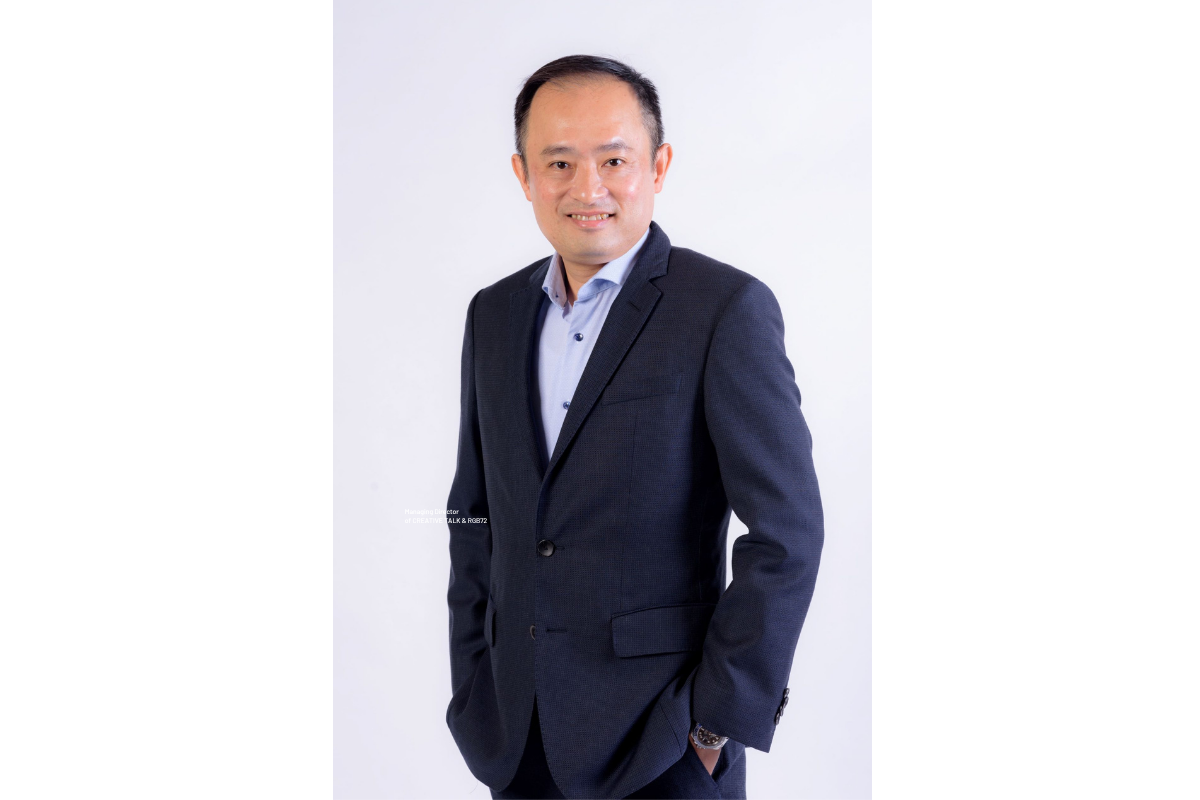
Pisit Thangtanagul, CEO of PwC Thailand, said:
“Confidence among Thai CEOs has fallen to its lowest level in three years, driven not only by a slowing economy but by increasingly complex and overlapping risks. From macroeconomic volatility and tariffs to cyber threats and geopolitical tensions, these factors are pushing costs, complicating business planning, and weighing on investment decisions.”
Confidence in Thailand’s broader economic outlook has also softened. Only 34% of Thai CEOs expect the domestic economy to improve this year, compared with a global average of 55%. This gap highlights that uncertainty has become the defining feature of the business environment in 2026, requiring organisations to carefully balance short-term risk management with investments that support long-term competitiveness.
Macroeconomic volatility and cyber risk were cited as the most significant business threats this year (both at 29%), followed by technological disruption, tariff barriers, and geopolitical tensions. Together, these pressures are increasing cost volatility and supply-chain uncertainty, prompting more cautious decision-making, particularly around large-scale investments.
“Thai business leaders are navigating a complex mix of domestic and global risks,” Pisit added. “The immediate priority is managing downside risk while preserving the flexibility needed to respond to conditions change.”
AI adoption accelerates, but value creation remains uneven
While AI momentum continues to build, the survey shows that business value from AI remains uneven. One-third (33%) of Thai CEOs reported increased revenue from AI over the past year, yet only 18% achieved both revenue growth and cost reduction.
This reflects ongoing gaps in organisational design, data foundations, workforce capabilities and AI governance. In many organisations, AI use remains concentrated in support functions and internal processes, with more limited deployment in core, revenue-generating activities.
“The challenge is no longer whether to use AI, but how to deploy it at scale in ways that deliver measurable business outcomes,” Pisit said. “That requires strong data foundations, the right skills, and robust governance frameworks that build trust and enable responsible AI adoption.”
Reinvention gains momentum as CEOs seek new growth engines
As uncertainty becomes the new normal, many Thai CEOs are shifting from a purely defensive stance towards reinventing their organisations long-term growth. More than half (56%) said their organisations have expanded into new sectors over the past five years, with the strongest interest in health and wellbeing services (25%), followed by hospitality and leisure (21%).
Mergers and acquisitions (M&A) are also being pursued more selectively as a response to megatrends such as AI, climate change and geopolitical fragmentation. 38% of Thai CEOs plan to pursue a major acquisition within the next three years, aiming to strengthen capabilities, diversify risk and enhance competitiveness.
“Reinvention requires reallocating capital, talent and resources quickly, while reshaping parts of the business that no longer deliver value,” Pisit concluded. “Success will come from making sharper decisions within constraints and turning uncertainty into opportunity.
“Looking ahead, Thai CEOs face the challenge of navigating continued uncertainty while positioning their organisations for sustainable growth. Key priorities include strengthening data and AI capabilities, enhancing cyber resilience, and building more flexible investment portfolios through partnerships or M&As, supported by clear strategic rationale.”