
Funding Societies, one of Southeast Asia’s largest digital financing platforms for SME and a leading non-bank financial provider in Thailand , as part of its Sustainable Financing goals, is expanding its support for green businesses as more companies move beyond project development into commercial expansion and new orders within this segment. This shift is driving greater demand for working capital to cover upfront costs and manage cash flow, while investment in clean energy, waste management, recycling and the circular economy is creating new business opportunities for SMEs across Thailand’s supply chains.
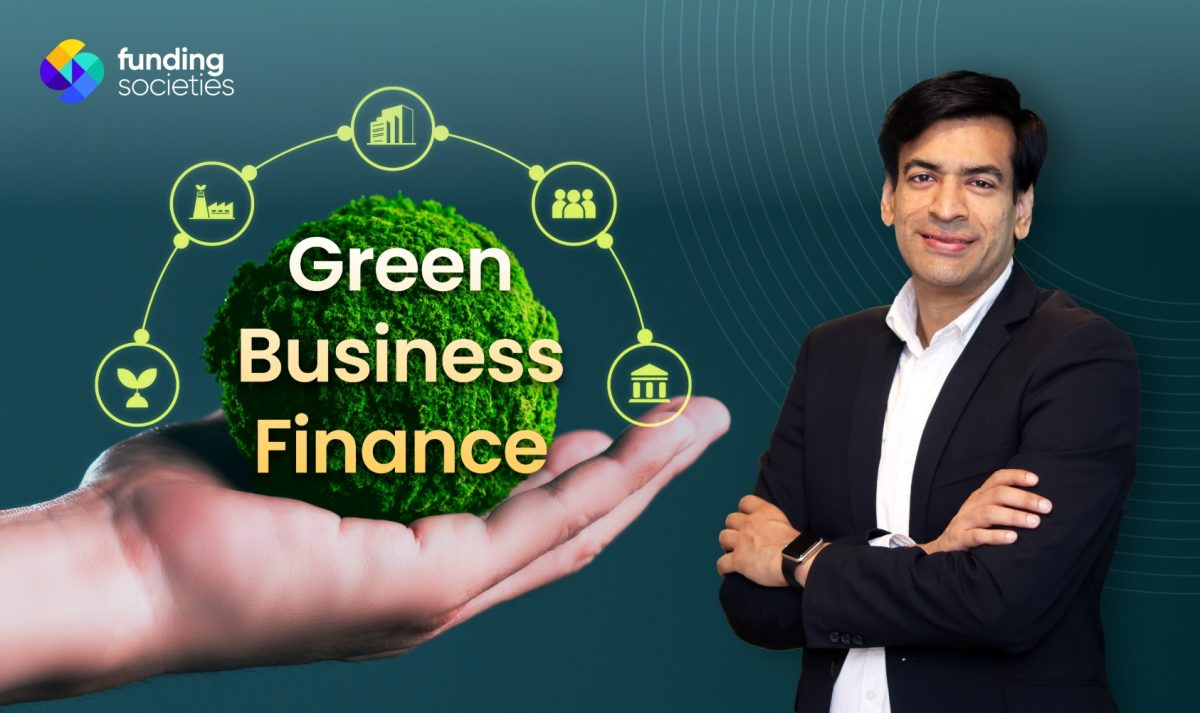
Vikas Jain, Country Head of Funding Societies Thailand, said businesses in this sector are entering a more commercially established phase, with clearer business models and revenue streams. While investment in the sector was initially focused largely on launching projects and developing infrastructure, businesses are now increasingly seeking financing to expand projects, take on additional orders and manage cash flow while waiting for customer payments.
“Thailand’s green businesses are moving from an early investment phase towards businesses with more tangible orders and revenue. As a result, their financing needs are no longer limited to getting projects off the ground. They also need working capital to cover upfront costs, take on additional projects and expand their operations.”
This transition is taking place alongside growing corporate investment in clean energy, energy efficiency, waste reduction and more efficient use of resources. This is creating opportunities for SMEs across multiple parts of the supply chain, from the installation and maintenance of energy systems and the collection and sorting of recyclable materials to the transportation and processing of recovered materials, as well as businesses providing carbon and sustainability data and ESG-related services.
From a business perspective, growth in clean energy and waste management is being driven by more than environmental considerations. Companies are also looking to reduce energy costs, strengthen their environmental and carbon standards, and meet increasing requirements from larger businesses within their supply chains for suppliers to align their operations with these standards. This is opening up new commercial opportunities for SMEs.
The trend is also reflected in the development of financing mechanisms at the national level. In 2025, the United Nations, together with Thai agencies, held discussions on financing mechanisms for sustainable waste management and advanced work on a national financing framework for waste management to support Thailand’s transition towards a circular economy.* This highlights how waste management and energy are increasingly being viewed not only as environmental issues, but also through the lens of investment and financing.
Sustainable Business Financing across Funding Societies’ regional markets grew by more than 62% year on year, reflecting rising financing needs as businesses in the sector expand their operations. In Thailand, Funding Societies can provide financing of up to THB 30 million per borrower to support both investment and working capital requirements, depending on the nature of the business.
Vikas said the growth of green businesses is creating financing needs at different stages of the business cycle, from purchasing equipment and launching projects to securing working capital to fulfil orders and manage the timing gap between upfront costs and incoming revenue.
“We do not look only at whether a business operates in a green industry. We need to understand how the business generates revenue, when costs are incurred, whether there are contracts or purchase orders in place, and how long the business has to wait for payment. These are important factors in assessing the financing needs of each business.”
For example, a rooftop solar company may need to purchase equipment and complete installation work before receiving payment under a customer contract. Similarly, recycling and waste management businesses may need working capital to collect and purchase materials before selling them to downstream buyers. As these businesses take on more projects, the gap between upfront costs and incoming revenue can widen.
For businesses in these sectors, financing needs therefore extend beyond long-term investment capital. They also require funding to bridge the period between starting a project, purchasing materials and carrying out the work, and ultimately receiving payment from customers. This is particularly relevant for businesses that must pay for equipment, labour or raw materials upfront while revenue is received later according to contractual payment terms.
“When businesses have confirmed orders or projects but face cash-flow constraints, having access to the right type of financing can help them avoid delaying commercial opportunities and turn existing orders and projects into actual business growth.”
Beyond rooftop solar and waste management, Funding Societies sees opportunities across other businesses supporting the transition to a greener economy, including energy-efficiency solutions, electric vehicle (EV) infrastructure, water and wastewater management, resource recovery and businesses across supply chains that are adapting their production processes to reduce carbon emissions.
The expansion of these businesses reflects how the green economy is evolving from an environmental concept into a growing area of commercial activity that requires investment, infrastructure and financing to support expansion. SMEs are particularly important to this transition given their role across the supply chains of larger businesses.
“Thailand has an opportunity to create new businesses and economic activity through the transition in energy and the circular economy. When businesses have access to appropriate financing and can manage their cash flow effectively, they can take on more projects, expand their operations and generate further economic activity across the wider supply chain.”
Funding Societies expects green businesses to remain an area of continued growth potential in Thailand and plans to expand its financing support for businesses in the sector. The aim is to help address funding and liquidity gaps so businesses can move ahead with projects, take on new opportunities and expand their operations.
Over the longer term, greater access to financing can help SMEs turn existing orders and projects into tangible business expansion, including investment in equipment, hiring, and increased production and service capacity. This can help connect investment in the green economy with broader economic activity and support Thailand’s wider economic growth. For more information, visit fundingsocieties.co.th.
*In Thailand, Funding Societies operates through two distinct entities. The first, known as FS Siam Co., Ltd., holds a crowdfunding platform license from the Securities and Exchange Commission. Meanwhile, the second entity, FS Capital Co., Ltd., specializes in direct lending to small and medium-sized enterprises (SMEs), which falls outside the SEC’s regulatory scope. This structure reflects a business approach capable of effectively supporting a diverse range of financial needs.
Reference:*https://www.un-page.org/news/thailand-takes-a-step-toward-circularity-stakeholders-chart-financing-pathways-for-sustainable-waste-management/?utm_source=chatgpt.com