Muang Thong Thani is advancing its smart city models by putting people and the local economy at the center of its development. Guided by the “Live-Work-Play-Learn” concept, the initiative aims to build an urban ecosystem that connects people, communities, and the economy to drive sustainable long-term growth.
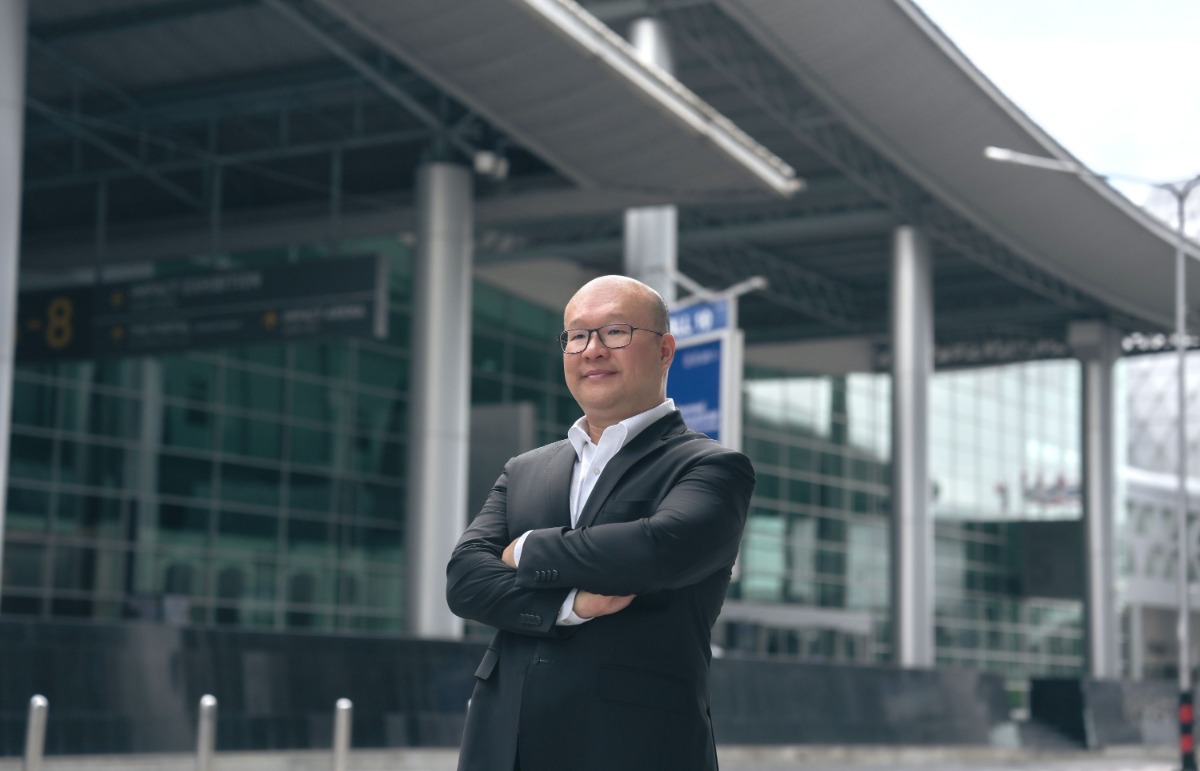
Paul Kanjanapas, Chief Executive Officer of Bangkok Land Public Company Limited, the developer and operator of Muang Thong Thani Living Smart City, said driving the smart city transformation through the “Live-Work-Play-Learn” concept remains a top priority, with a focus on connecting people, fostering a more vibrant and cohesive community, and bringing diverse activities together in one place. Technology, innovation, and infrastructure are not simply intended to modernize the city; they are designed to drive growth across multiple dimensions, including knowledge and skills development and the broader urban economy, creating a sustainable ecosystem in which all stakeholders can thrive together.
Developing people within this smart city concept begins inside the organization itself. Although they represent one part of the wider ecosystem, employees are at its heart. The company strengthens its workforce through initiatives that encourage employees to demonstrate their capabilities and develop new ideas, including the Routine to Innovation (R2i) initiative. This approach allows the company to extend its knowledge and experience into the wider community through skills development programs, employment opportunities, and initiatives that connect local entrepreneurs with the broader economy.
One of the key initiatives supporting people in the city is a lifelong learning program that offers short courses designed to enhance digital capabilities and practical skills that residents and community members can use to supplement additional income. Meanwhile, the Muang Thong Signature Shops initiative connects popular local restaurants with event organizers and exhibitors at IMPACT Muang Thong Thani, helping bolster new business opportunities for local entrepreneurs and generate greater economic activity within the area.
“We believe that a smart city should be measured not only by its technological capabilities but also by the capabilities of its people. That is why we begin from within, strengthening our employees’ skills and capabilities so they can share their knowledge and help create opportunities for people in the community. We then extend these efforts across a wider network. Our vision is to build a strong ecosystem for residents of Muang Thong Thani that empowers individuals, creates opportunities for communities, supports business growth, and strengthens the local economy in a truly sustainable way,” Paul said.
Another key initiative is the promotion of Geographical Indication (GI) products, which translates the company’s vision into practical action through a model designed to distribute income across communities nationwide. In collaboration with the Department of Intellectual Property and the Thai Chamber of Commerce, we has brought distinctive GI products from 33 provinces across Thailand—including Kamphaeng Phet banana, Thep Sadet coffee from Chiang Rai, and Sam Phran guava from Nakhon Pathom—into our stores at Ruamjai Fresh Market and Cosmo Bazaar.
The initiative connects Thai farmers directly with urban consumer demand. It also lays the groundwork for a GI product database to support future planning and development, with the aim of generating lasting positive economic benefits for community networks.
Thamita Chongswatvorakul, Director of Corporate Human Resources at Bangkok Land Public Company Limited, explained that the Routine to Innovation (R2i,) launched in 2018, aims to foster a culture of innovation by encouraging employees at every level and across all departments to develop new ways of working based on their day-to-day experiences and workplace challenges. The resulting ideas can then be further developed to improve organizational efficiency and performance.
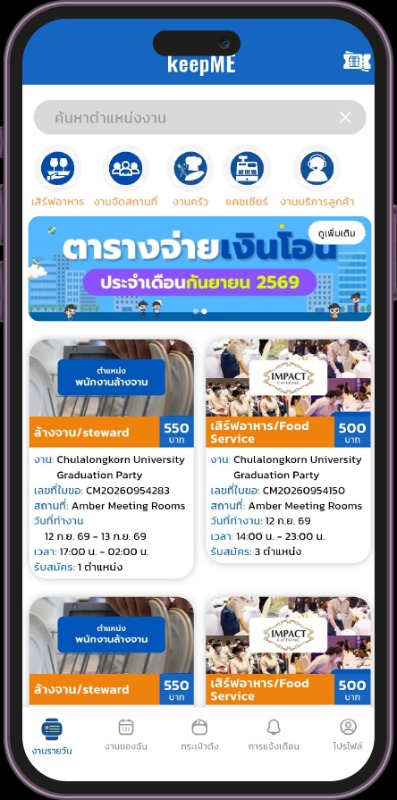
The company has also developed IMPACT Keep Me, a daily workforce management platform that integrates the entire employment process into one system—from job searches and applications to work scheduling, attendance tracking, and payroll. The platform serves a broad range of users, including students and members of the Muang Thong Thani community.
IMPACT Keep Me has continued to evolve and now has a database of more than 43,000 job seekers. This provides access to a substantial workforce pool and strengthens the company’s ability to allocate personnel in line with the needs of the meetings, incentives, conventions, and exhibitions (MICE) industry.
She added that IMPACT Keep Me’s development extends beyond workforce management within the organization. The company is also expanding collaboration with educational institutions and local communities, using insights into workforce skills and labor market demand to inform curriculum planning and workforce development.
Most recently, this effort has led to a major collaboration with the Office of the Vocational Education Commission (OVEC) through the IMPACT Rise Up initiative, a national innovation and invention competition. The program gives vocational students an opportunity to develop new innovations and gain practical experience by tackling real-world challenges, helping them contribute to the development of Thai businesses.
Together, these initiatives reflect Muang Thong Thani’s approach to smart city development: connecting people, creating opportunities for communities, supporting local entrepreneurs, and generating economic value. Technology serves as a key driver, linking these different elements to build a connected urban ecosystem that can grow sustainably over the long term.