
Thai massage, a cornerstone of traditional Thai medicine, is increasingly being recognized as both a therapeutic practice and a form of preventive healthcare, with growing relevance to global wellness and longevity trends. Rooted in centuries-old local wisdom, Thai massage integrates physical therapy, holistic diagnosis, and cultural heritage, positioning it as both a medical discipline and a form of Thai soft power.
Historical records trace Thai massage back to ancient medical knowledge associated with Jīvaka Komarabhacca, the physician to India’s King Bimbisara, with techniques believed to have reached Thailand alongside Buddhism. Evidence of its practice appears in Sukhothai-era stone inscriptions and later accounts by French envoy Simon de la Loubère during the Ayutthaya period. Despite the loss of many manuscripts during wars, community healers and temple physicians played a crucial role in preserving and restoring this knowledge. Formal revitalization occurred during the Rattanakosin era, when kings commissioned the compilation and public display of massage texts and established Wat Pho as a center of traditional medical education.
Thai massage is traditionally divided into two main styles: the Royal Court style and the Commoner or Folk style. The Royal Court style, once reserved for nobility, emphasizes precision and restraint, using only hands and fingers. The Folk style, widely practiced today, allows the use of hands, elbows, knees, and feet, and focuses on relaxation and relief from common muscle and joint ailments. Both styles are now taught in formal institutions and temples.
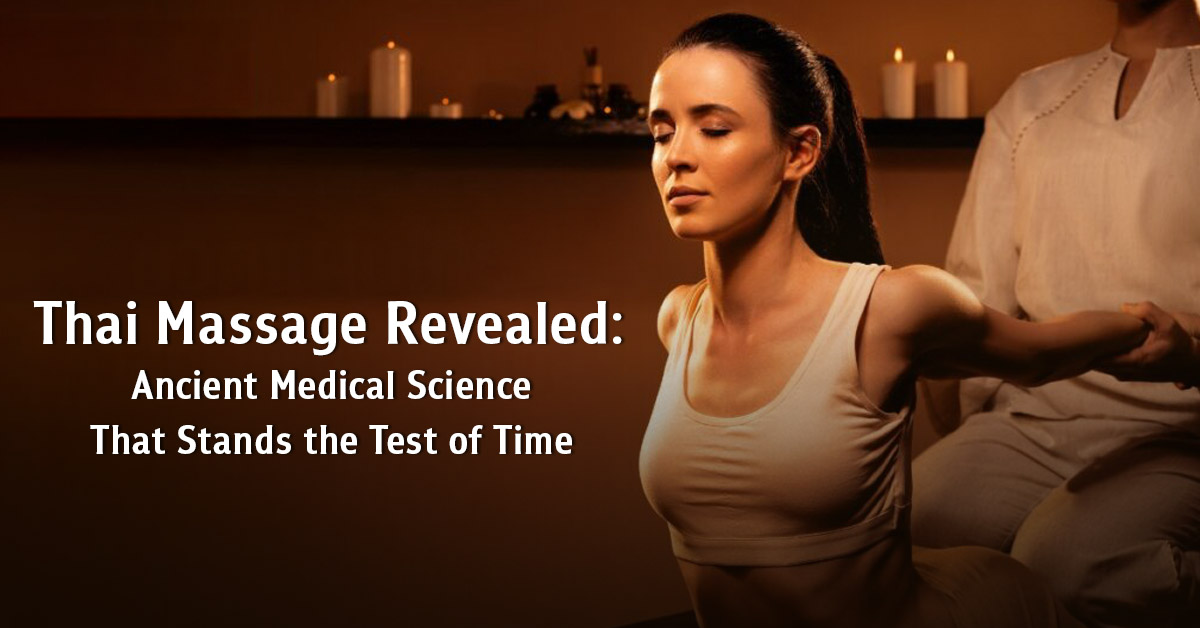
Distinct from aromatherapy and Swedish massage, Thai massage combines acupressure, stretching, and assisted movement, often incorporating herbal compresses. Its reported benefits include improved circulation, reduced muscle stiffness, stress relief, better sleep quality, and enhanced overall vitality. Practitioners also emphasize its role in disease prevention, as many clients seek treatment before experiencing pain.
According to Prof. Dr. Sathirakorn Pongpanich of the College of Public Health Sciences, Chulalongkorn University, Thai wellness draws on a holistic understanding of the body rooted in nature-based diagnosis. Modern research has helped standardize herbal remedies and massage practices, allowing them to meet international medical and safety standards. In countries such as Canada, Thai massage is increasingly recognized as a legitimate therapeutic service, with insurance coverage available when provided by licensed practitioners.
Beyond health benefits, Thai massage is gaining attention as an economic and cultural asset, attracting international students, wellness tourists, and global recognition.
Continue reading a full article on the website: https://www.chula.ac.th/en/highlight/279514/