Water+ Positive Journey at Lad Krabang plant cuts freshwater intake by 35%,reinforcing the role of manufacturing in addressing Thailand’s water challenges
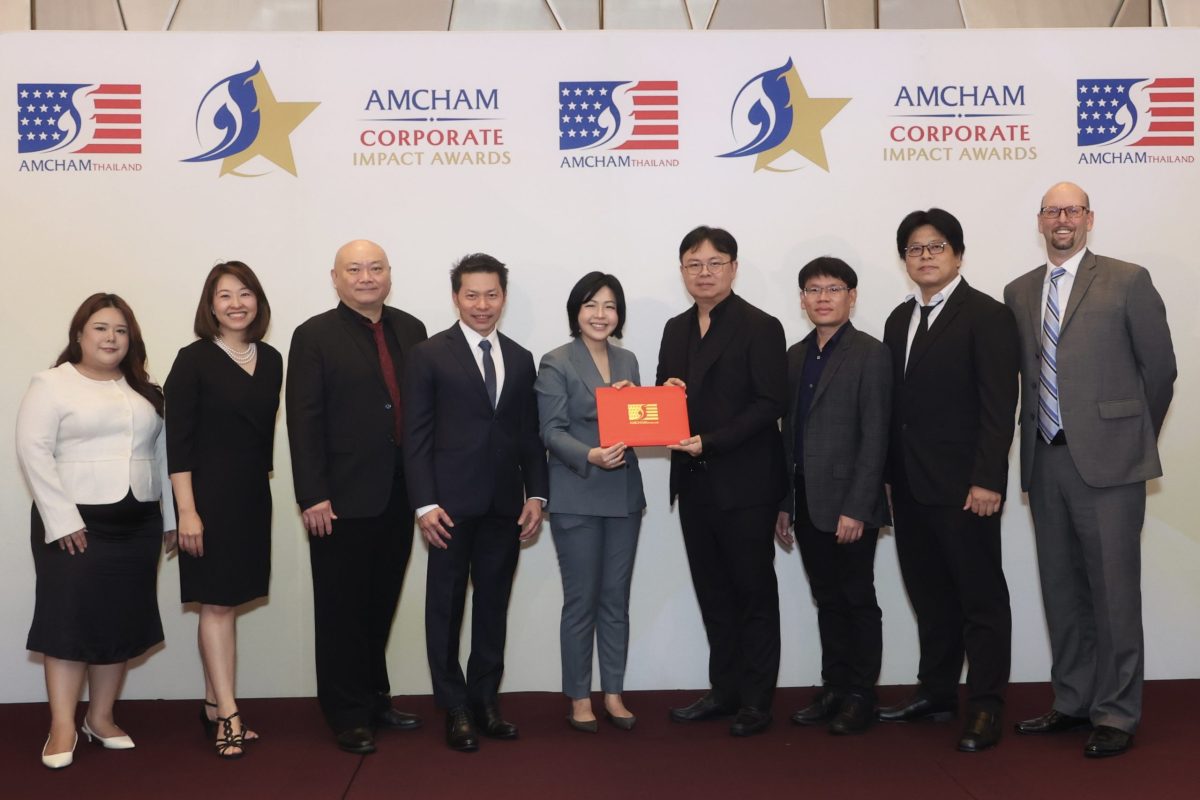
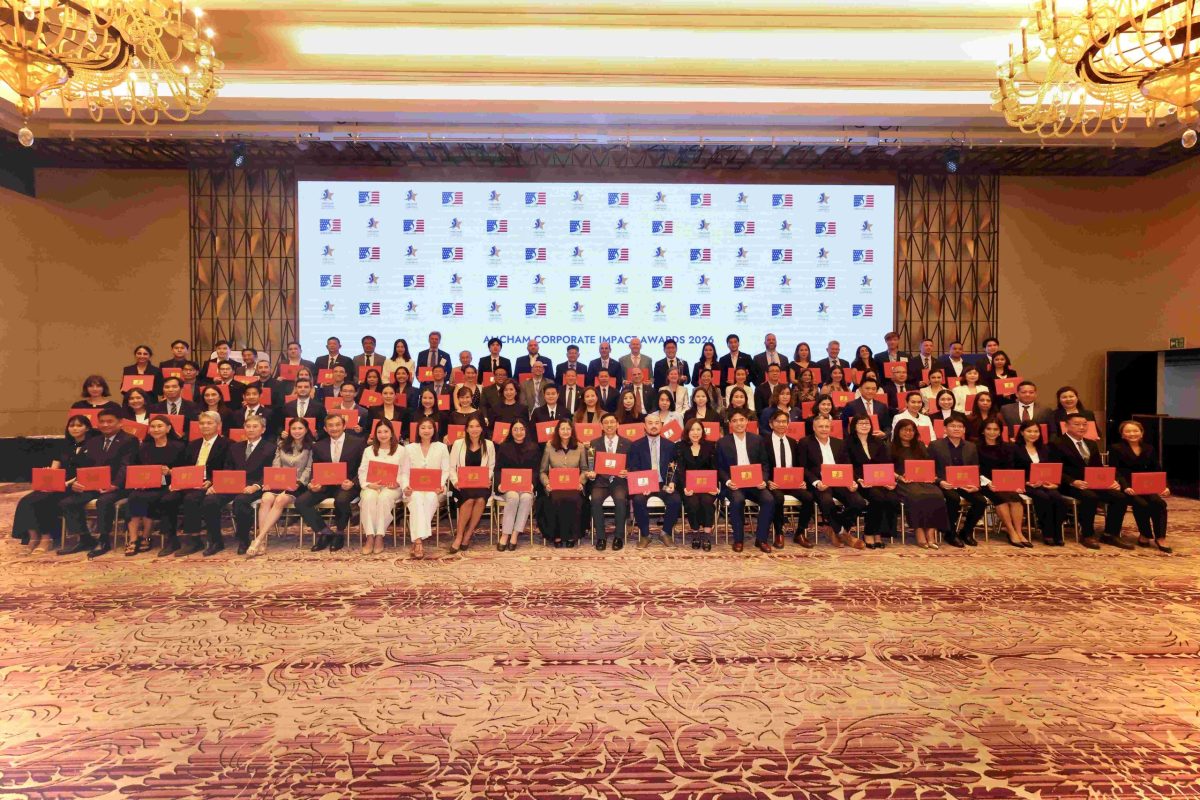
With water stress intensifying across Thailand and Southeast Asia, the competition for freshwater among communities, agriculture, and industry has never been more pressing. Mondelēz Thailand’s 12 consecutive years of AMCHAM Corporate Impact Recognition — now at platinum recognition level — reflects a sustained effort to turn this challenge into action, with its Water+ Positive Journey offering a practical example of how manufacturing can be part of the solution.
“For us, sustainability is not just about ambition, but about turning commitment into meaningful action and lasting impact,” said Idara Huang, Managing Director, Mondelēz International (Thailand).
At the company’s Lad Krabang plant, home to some of Thailand’s best-known candy brands including Halls, Dentyne, and Clorets, the initiative is delivering measurable results. In 2025, the plant reduced raw water intake by 35% compared with 2018, recycled 49,000 cubic metres of water, and achieved 53 consecutive days without incoming raw water in its utility system. For a sector often challenged to balance output with resource efficiency, these numbers point to what is achievable when water management becomes an operational priority — not just a sustainability report line item.
“Our team at Lad Krabang has worked to rethink how water flows through every stage of our operations — from recovering condensate to recycling process water. What started as an efficiency project became a mindset shift across the entire plant. When we saw the system running day after day without needing raw water from outside, it proved that sustainable manufacturing is not just a goal but a daily practice,” said Jirapong Jaroensri, Director, Integrated Supply Chain, Mondelēz International (Thailand).
The ambition does not stop here. By 2030, Mondelēz Thailand aims to reach 100 days without incoming raw water and become water positive — returning more clean water to local sources than it consumes. In a country where communities, agriculture, and industry compete for the same water resources, initiatives like these matter beyond the factory fence.
The company’s broader environmental work reinforces this outward focus. Beyond the factory floor, the company is redesigning packaging for recyclability — ensuring that sustainability extends from how products are made to how they are consumed and disposed of. Its Trash Right program brings recycling and environmental education into Thai schools, while also driving the collection of multi-layer plastics and other packaging materials back into the recycling system — turning classroom awareness into real action. Together, these efforts reflect a model where sustainability is not a separate agenda, but part of how a manufacturer operates and engages with the communities around it.